
Women of Kerala: Education, Strength, and the Fight for Respect
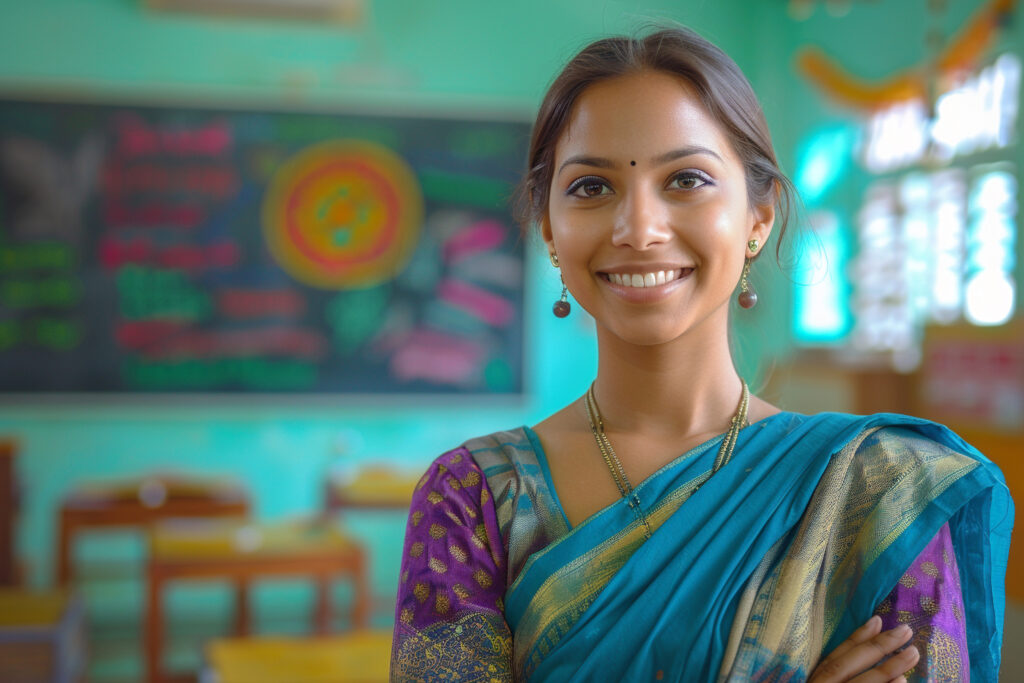
WOMEN OF KERALA ARE WELL-EDUCATED & HAVE MADE MANY SUCCESS STORIES. BUT ARE THEY WELL-RESPECTED FOR THE MULTISKILLS THEY ARE BLESSED WITH? (WOMEN’S DAY REFLECTIONS) 08 MAR 26. “Each time a woman stands up for herself, she stands up for all women” Kerala can be proud of enhancing the quality of life of thousands of women. Our nurses have excelled in their noble field in many progressive nations upholding the reputation of India and send millions of dollars to india. Kerala also has imparted good education for the girl student and helped thousands of women to explore their opportunities abroad. However, on this Women’s Day, in retrospect, Kerala’s women face a multitude of harsh realities. Physical assaults, baseless allegations based on dogmatic beliefs and prejudices, and collective attacks persist in this male-dominated society. Today, when AI, Robotics and space exploration are but realities in other parts of the world, women are deprived of their rights and they are sidelined by various authorities for reasons best known to this society. These are sheer facts which cannot be ignored. Regressive values dictate how women should dress, whom to marry, and on how to walk and talk in a society. Men of almost all religions seem to control the lives of women, and institutions often uphold patriarchal norms. Dogmatic religions, the so-called “progressive” political parties, and authorities frequently prioritize men’s interests over women’s safety. It is high time men recognized women’s autonomy. They are after all human beings, capable of making their own choices. Let us empower Kerala’s women to live freely, making their own decisions and shaping their own destiny. It is high time women liberated from exploitation of any kind, started breathing free air and enjoy the opportunity to stand on their own feet, while fulfilling their duties as adults, as wives and mothers. In addition, women who are employed are destined to shoulder additional responsibilities at their work place. Empathising with them is the least others can do. Women’s realization alone that they have every right as men to enjoy themselves will improve the destiny of the mighty women. Let women come to the fore to uphold their inalienable human rights today when they are multiskilled and strong enough to face challenges aplenty in their lives. Let there be gender equality challenging all religious dogmas to materialise all these basic needs of women. G john B-GHUD Academy Mavelikara 9388908089
Belief in God: Finding Hope, Strength, and Peace in a Stressful World

When birth and death are sheer realities and bit traumatic, the life in between them should be worth living. But, although this is the age of AI & Space Exploration, people seem to be not blessed with the much needed peace of mind. Belief in God tends to provide solace and hope to those facing life’s challenges and traumas. When confronted with helplessness, faith in God, though an entity which cannot be experienced by our senses, offers a sense of security and comfort, reminding believers that they are not alone in the planet; a dust in the fathomless multiverse. The conviction that a higher power is guiding and supporting us instills courage and resilience. This trust enables us to reframe difficulties as opportunities for growth and learning, rather than insurmountable obstacles. Faith also fosters a sense of purpose, helping us find meaning in various adversities of life. It encourages us to look beyond our current struggles, focusing on a greater good. This perspective cultivates patience, optimism, and inner peace, even in the darkest moments. Moreover, the belief in a benevolent God provides reassurance that we are part of a larger plan, giving us the strength to persevere. By anchoring our hope in God, we can face uncertainty with confidence, knowing that we are supported and loved, no matter what challenges we encounter. Peace is not the absence of conflict; it is the ability to handle conflict by peaceful means. A life with material success alone may not offer contentment, unless it provides peace of mind. G John B-GHUD Academy Mavelikara.
Why Is There God? A Philosophical Reflection on the Universe

A reflection on science, spirituality, and the eternal search for meaning in the universe. It has always been an intriguing question for all philosophers on whether an entity called God has been in existence or not. Though their answers vary, science which is expected to answer all sensible questions cannot answer this simple question whether there is God. Science could not answer so far what was before the Big Bang, why the cosmos is functioning in a perfect system, what is the purpose of life, how gravity was originated, and there are unanswered questions aplenty which challenge the intellect of the so-called intellectuals. The concept of an eternal energy, often referred to as God, is a profound and timeless idea that has captivated human imagination for centuries. While its existence cannot be proven empirically, numerous evidences point to its presence. The universe, with its intricate design and harmony, suggests a creator who is eternal and all-powerful. The laws of physics, governing the movement of celestial bodies, and the intricate balance of ecosystems, all leads to a supreme force behind it all. The complexity of life, with its diverse species and adaptations, is another testament to God’s existence. The human consciousness, our capacity for love and compassion is a mysterious aspect of our existence that transcends physical explanations. Moreover, the experience of spirituality, reported across cultures and time, suggests a connection to something greater than ourselves. The presence of God is manifested in every heavenly body, species and plant, yet it remains mysterious and stays beyond human comprehension. The intricate web of life, the beauty of nature and the mysteries of the universe all point to an eternal energy that underlies everything. While humans cannot fully grasp its nature, the evidence of its existence is undeniable. As things are beyond human experience, let us now bow our head before God to be blessed with values such as compassion and the wisdom for the coexistence between nations, cultures and various people. They may practise or not following any religion. The attitude of accommodating everything different is certainly required for reducing the increasing crime at an unprecedented rate, and fostering cooperation among diverse societies for the betterment of humanity as a whole and for the welfare of quality. Last but not least, every war was fought for peace, no was has ever brought peace. The man who claims to be the mightiest on earth earnestly demanding a Nobel price for peace when he plans many other wars. As such, in thus world of paradoxical statements and hypocritic ideologies, the need for an Almighty god is a basic need, but not an organised religion. G John B-GHUD ACADEMY MAVELIKARA 9388908089
Skilled Migration: Opportunity for Growth or Loss for Developing Countries?

Qn: Some people believe that governments of developing nations should promote their professionals to migrate to developed nations while others argue that governments should discourage this trend. Discuss both views and give your opinion. Ans: The debate surrounding the migration of professionals from developing nations to progressive nations has sparked intense discussion. While some argue that governments of developing nations should encourage this trend, others believe it should be discouraged. This essay will examine both perspectives and provide an opinion on the matter. On one hand, promoting migration of professionals such as engineers and nurses can have several benefits for developing nations. Brain gain is a significant advantage, where professionals acquire new skills, expertise and networks, which can be utilized to contribute to their home country’s development when they return. For instance, the Indian government’s “Make in India” initiative has attracted professionals from the diaspora to return and contribute to the country’s growth. Additionally, remittances sent by migrant professionals in hard currencies can support the economy of the home country, helping to alleviate the issues of the less privileged and stimulate economic growth. On the other hand, emigration of professionals can lead to brain drain, depriving developing nations of much-needed skills and expertise. This can hinder the development of critical sectors, such as healthcare and education and aggravate existing shortages. To cite an example, the migration of healthcare professionals from Africa to developed countries has worsened the continent’s healthcare crisis. Furthermore, the loss of skilled professionals can lead to a vicious cycle, where developing nations are unable to develop due to the lack of human capital. You can also read: Why English Fluency is Key to Building Confidence and Expanding Your Career Horizons Worldwide In my opinion, governments of developing nations should adopt a balanced approach, neither promoting nor discouraging the migration of professionals. Instead, they should focus on creating an environment that encourages professionals to return and contribute to national development. This can be achieved by investing in education, infrastructure and innovation, making it attractive for professionals to stay or return. For instance, countries like Singapore and Taiwan have successfully implemented policies to attract and retain talent, driving economic growth and development. In conclusion, while the migration of professionals can bring benefits, it also poses significant challenges for developing nations. Governments should prioritize in creating an environment conducive to development, encouraging professionals to contribute to their home country’s growth, rather than solely promoting or discouraging migration. Want to be a part of the Best OET Online Coaching Centre in Kerala? Join now: https://bghud.com/all-courses/
Get Your MBBS Degree in Uzbekistan: Apollo MedSkills Explains

WHAT ARE THE UNIQUE SELLING POINTS OF THIS JOINT VENTURE OF APOLLO MEDSKILLS & ZARMED UNIVERSITY OF UZBEKISTAN? THIS MBBS PROGRAM IS APPROVED BY WHO & NMC. (NATIONAL MEDICAL COMMISSION) OF INDIA) AS IT IS A 5 YR STUDY + 1 YR INTERNSHIP, STUDENTS WILL GET INDEPTH KNOWLEDGE TO PERFORM AS BRILLIANT DOCTORS ACROSS THE WORLD. ALL CLASSES ARE ONLY IN ENGLISH BY THE WELL-EXPER-IENCED PROFESSORS OF APOLLO MEDSKILLS. WHY IT IS ECONOMIC- ALLY FEASIBLE? THE TOTAL TUITION FEE FOR 6 YEARS IS ONLY 22 LAKHS (TOTAL FOR 5 + 1 YEAR.) IT IS THE LOWEST IN ANY FOREIGN COUNTRY. THE TOTAL COST IS ONLY RS 38 to 40 LAKS INCLUDING FOOD & ACCOMMODATION. INDIAN FOOD BY INDIAN CHEFS IS A GREAT ADVANTAGE. THE FEE CAN BE PAID EVERY YEAR IN 5 INSTALMENTS. THE FEE ALSO INCLUDES THE TRAINING FOR PLAB (for UK) or USMLE (for USA) or PROMETRIC (for the Gulf) or Next TO WORK IN INDIA. TRAINING FOR THESE COURSES STARTS FROM THE VERY 1ST YEAR. THE LAST DATE FOR ADMISSION IS 30 SEP 25. APOLLO HOSPITAL CHAIN HAS 73 SUPERSPECIALITY HOSPITALS ACROSS INDIA. IT IS CERTAINLY THE MOST REPUTED HEALTHCARE GROUP OF INDIA. ONCE STUDENTS PASS MBBS, IF THEY PREFER TO WORK IN INDIA, THEY WILL BE RECRUITED BY APOLLO HOSPITALS. AS HEALTHCARE IS A FAST GROWING FIELD, DOCTORS ARE ALWAYS IN HIGH DEMAND EVERYWHERE, OFFERING THEM VERY HIGH SALARY & PERKS. AS THIS DEGREE IS ACCEPTED GLOBALLY, SUCCESSFUL CANDIDATES CAN SETTLE IN THE UK, USA, THE GULF, INDIA OR IN ANY NATION. STUDENTS WITH NEET OR WITHOUT NEET CAN REGISTER WITH APOLLO & ZARMED UNIVERSITY OF UZBEKISTAN. NEET IS REQUIRED ONLY FOR THOSE WHO INTEND TO COME BACK TO INDIA TO WORK AS A DOCTOR. ANY CANDIDATE (BE THEY NURSES, DENTISTS, PHARMACISTS OR PHYSIOTHERAPISTS) BELOW THE AGE OF 30 YEARS CAN ALSO APPLY FOR THIS PROGRAM, IF THEY HAVE GOT 50% MARKS IN +2 FOR PHYSICS, CHEMISTRY & BIOLOGY. SEPARATE HOSTELS FOR BOYS & GIRLS & CCTV CAMERAS ARE INSTALLED EVERYWHERE. UZBEKISTAN IS KNOWN FOR FRIENDLY PEOPLE, POLITICAL STABILITY, MODERATE CLIMATE AND WITH LESS CRIME RATE. There are two seminars arranged for SPOT ADMISSIONS: Saturday, 16 August 25 from 10 am to 2 pm at PRESIDENCY HOTEL, KOCHI. (Near Ernakulam North Rly Station) Sunday 17 Aug, 10 am to 2 pm at the WINDSOR CASTLE hotel, Kottayam. Please contact us for more details and SPOT ADMISSIONS. B-GHUD ACADEMY, MAVELIKARA & KOCHI 9497786999 7736978420 Join now: https://bghud.com/all-courses/
Banning Dangerous Sports: Should Safety Trump Freedom of Choice?

Qn: Some people believe that governments should ban dangerous sports. Others argue that they should have the freedom to choose their favourite activities. Discuss both views and present your opinion’. Ans: people have different views on whether governments should ban dangerous sports such as bungee jumbing and boxing. This debate on the regulation of dangerous sports has sparked intense discussion. On one hand, some individuals believe that governments should ban such activities to ensure public safety. They argue that extreme sports such as skydiving or boxing, pose significant risks to participants, which can result in severe injuries or even fatalities. By banning these sports, governments can protect citizens from harm and reduce the financial burden on healthcare systems. These are serious concerns. On the other hand, others claim that individuals should have the freedom to choose their favourite activities, regardless of the risks involved. They argue that adults are capable of making informed decisions about their own lives and that government intervention would be an infringement on personal liberty. Moreover, proponents of this view believe that banning dangerous sports would impact innovation and creativity. You can also read: The negative impacts of Globalisation? In my opinion, while governments should not ban dangerous sports entirely, they should implement regulations to minimize risks. This could include mandatory safety training, strict equipment standards and informed consent procedures. By striking a balance between individual freedom and public safety, governments can ensure that enthusiasts can pursue their passion while minimizing harm to citizens. Ultimately, the decision to participate in dangerous sports should be a personal choice, but governments should have a responsibility to provide a safe and supportive environment. By working together, a solution can be arrived at, which respects individual autonomy while protecting public well-being. Want to be a part of the Best OET Coaching Centre in Kerala? Join now: https://bghud.com/all-courses/
WHAT STEPS ARE TO BE TAKEN FOR INDIA TO BECOME A PROGRESSIVE NATION?

In a fast changing world when unforeseen geopolitical changes happen on a daily basis, for India to become a progressive nation with gender equality and respect for human rights, a lot of bold primary steps are to be taken. Before identifying the steps, it must be borne in mind our huge population, demographic dividend and the presence of millions of young resourceful persons. To be a progressive nation, a country must first invest in progressive education, (= doing everything to make a student to think rationally and act objectively), innovation and inclusivity. (= including people of all castes, religions and creed) By investing in quality education, the government should empower citizens with knowledge and skills to be employable, to promote economic growth and social development. Encouraging innovation and entrepreneurship promotes creativity, leading to new industries, jobs and proactive solutions. If we focus on our objectives and work diligently, results will definitely follow. Equally important is the distribution of wealth among citizens without any discrepancies. Mixing religion and politics is the last thing a nation should do. Although we have a lot of social security schemes, we have to ensure that the poorest of the poor are benefitted. A progressive nation also values diversity and promotes social justice. It ensures equal opportunities for growth for all citizens, regardless of background, gender or socioeconomic status. This includes implementing policies that support marginalized communities and protect human rights. It is high time India transformed from its conservative economic strategies to an all-inclusive economic strategy. By embracing state-of-the-art technologies including robotics and AI, sustainability and global cooperation should be our national objectives, while upholding our eternal values. a nation can accelerate progress only with leaders with global and futuristic vision. This involves adopting green technologies, promoting digital literacy and engaging in international collaborations. By working together and prioritizing the well-being of all citizens, a nation can create brighter future and become a truly progressive society. This holistic approach drives growth, equality and prosperity. Let’s visualise first, and then let’s start working towards our realistic goals. Want to be a part of the Best Spoken English Course in Kerala? Join now: https://bghud.com/all-courses/
Should Violent Crime Coverage Be Banned?

A SAMPLE OF AN IELTS, PTE OR TOEFL ESSAY. A Recent Qn: Media coverage of violent crime frightens people and encourages criminals. Some people say it should be banned from newspapers and TV programs. To what extend do you agree or disagree? The role media in reporting violent crime has sparked intense debate, the world over. While some argue that media coverage should be banned, citing its impact on frightening people and encourage criminals, I partially disagree. On the one hand, excessive media coverage of violent crime can indeed perpetuate fear and anxiety among the public. Sensationalized reporting can create a distorted perception of reality, making people believe that crime is more prevalent than it actually is. Moreover, glorifying criminals or their acts can potentially inspire young minds, who seem to be impulsive rather than being objective. On the other hand, banning media coverage of violent crime seems to be not a viable solution. The media plays a crucial role in informing public in general about potential threats and promoting awareness about crime prevention. Responsible reporting can also facilitate community engagement, encouraging witnesses to come forward and facilitating police investigations. Instead of a blanket ban, media outlets should adopt responsible reporting practices, avoiding sensationalism and prioritizing factual accuracy. Additionally, governments and law enforcement agencies should work with the media to provide context and promote public awareness campaigns. By striking a balance between informed reporting and responsible communication, the negative impacts of media coverage can be minimised while maintaining its essential role in informing the public. Therefore, I partially disagree with the statement. You can also read: DOES THE VIOLENCE IN MARCO & the much-hyped EMPURAN instigate youngsters to engage in VIOLENT CRIMES?
Unpacking the Link Between Education and National Success

Qusetion: The single most important factor for a nation’s progress is education. How far do you agree or disagree? While education is undoubtedly a vital component of a nation’s progress, I do not entirely agree that it is the single most important priority. Education plays a crucial role in developing a skilled and knowledgeable workforce, fostering innovation and promoting social mobility. However, other factors such as economic stability, healthcare and infrastructure are equally essential for a nation’s progress. A nation’s economic stability, for instance, provides the necessary resources to invest in education, healthcare and infrastructure. A robust economy also creates job opportunities, which in turn motivate individuals to pursue education and skills training. Furthermore, access to quality healthcare is essential for maintaining a productive workforce and ensuring that citizens can reap the benefits of education. In conclusion, while education is a critical component of a nation’s progress, it is not the single most important priority. A balanced approach that considers multiple factors, including economic stability, healthcare and infrastructure, is necessary for sustainable national progress. By prioritizing these interconnected elements, a nation can create a solid foundation for growth, innovation and prosperity. You can also read: WHY ENGLISH IS STILL AN OFFICIAL LANGUAGE OF EUROPEAN UNION, ALTHOUGH UK IS NOT A PART OF IT?
DOES THE VIOLENCE IN MARCO & the much-hyped EMPURAN instigate youngsters to engage in VIOLENT CRIMES?
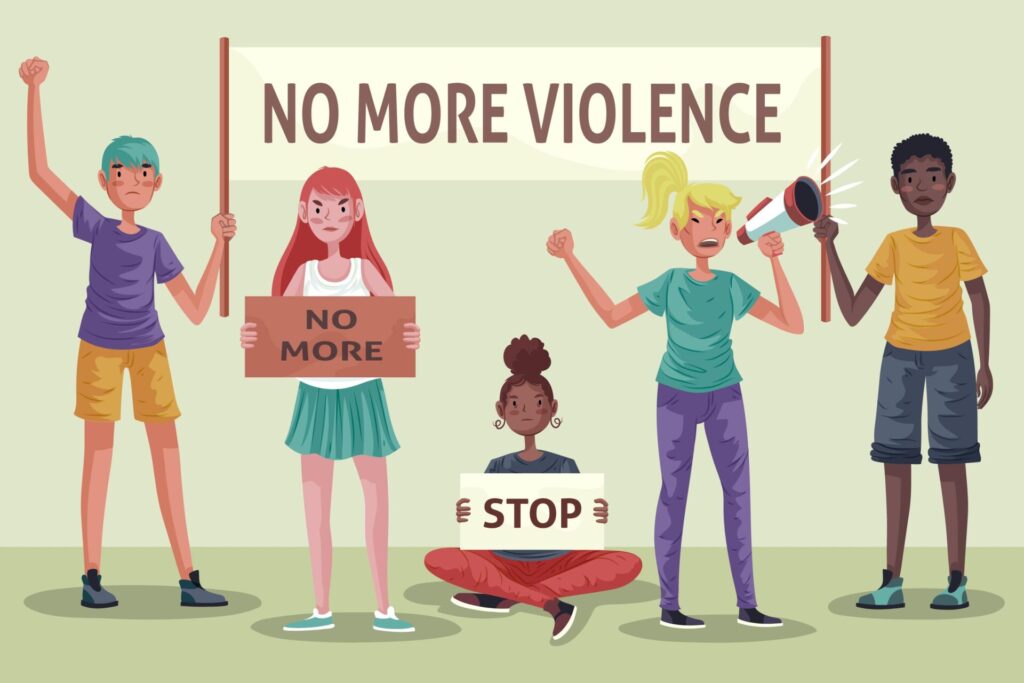
Life is not just to amass riches. There are many noble aspects to it. It must be borne in mind by all, be they seasoned directors or iconic actors in the big screen. Dismantling our society which is devoid of any values, us not a good thing to do and marketing movies on the basis of hype and super hype unprecedented. Today, violence is on the increase everywhere, at home, at work and in every domain of society for reasons varied. And it is even being glorified by our political leaders and the silent religious leaders, the so-called flag bearers of our society which is claimed to have a great culture. Even otherwise, the very foundation of our society is being shaken due to the break up of families, erosion of eternal values (SANATHANA DHARMA), and the disturbing trend of aping the worst of the Western Culture. As we are living in a society which comprises infants, children, women and the most silent senile elderly. the majority being peace loving people, taking movies with a hidden agenda of making profit alone is certainly disgusting, to use a refined word. Since the artistes involved in taking movies are expected to have some sense of social commitment, making money alone should not be the objective as life is transient. This highly despising attitude should be looked down upon, however prominent they are, whose priority is just to be rich in this fast revolving and rotation earth. Oh, what a fallacy! The depiction of violence in certain movies, such as MARCO & EMPURAN, has raised concerns about its potential impact on youngsters. These Malayalam films, known for their graphic but brute violence, can have a profound influence on young minds, the hope of the morrow. Exposure to such content can definitely desensitize youngsters to violence, making it seem acceptable and even glorified. Today, when family intimacy is on the decline, sowing seeds of violence in growing buds must be welcome with the deserving contempt. Many researches have already established that repeated exposure to violent media can increase aggression & decrease empathy in individuals, be they ill-educated or well-taught. Youngsters, in particular, are vulnerable to this influence due to their impressionable and impulsive nature. Moreover, the glorification of violence in movies can also create a sense of excitement & thrill-seeking, leading many youngsters to engage in violent behavior, disturbing the backbone of our society. Parents and guardians must also be vigilant in monitoring what movies their young children watch, and should ensure that the contents of those films are constructive rather than destructive. ensuring that they are not exposed to excessive violence is one of the priorities of parenthood today when even the high court of Kerala was forced to suggest to all teachers to carry a cane when they are at school, although corporal punishment is banned in educational institutions. Assaulting and even killing one’s own mother has become not uncommon, though not the norm, a proof for an ailing society which is neither structured on moral guidelines or eternal values, let alone the much needed discipline. Therefore, it is essential for filmmakers to bear in mind the potential impact of their content on young audiences. Amassing riches through refined means is permissible and as such, any other means to procure wealth should be treated with contempt.