
How learning German language opens up opportunities to settle in a developed nation?

In an increasingly interconnected world, the ability to speak multiple languages not only broadens one’s cultural horizons but also opens doors to a multitude of opportunities. Learning the German language, in particular, emerges as a powerful catalyst for individuals aspiring to settle in developed nations, offering a pathway to success, economic stability, and a rich cultural experience. 1. Employment Opportunities: Germany, known for its robust economy and thriving industries, presents a myriad of job opportunities for skilled professionals. Learning German significantly enhances employability, as many employers prefer candidates with proficiency in the local language. German proficiency can be a key differentiator, especially in sectors such as engineering, technology, healthcare, and finance. 2. Higher Education Excellence: Germany boasts world-class universities renowned for their academic excellence and research contributions. Learning German is often a prerequisite for admission to many programs, and it fosters a more immersive and enriching educational experience. Scholarships and research opportunities are also more accessible to those who can communicate effectively in German. 3. Access to Quality Healthcare: Germany is celebrated for its high-quality healthcare system. Learning German ensures effective communication with healthcare professionals, contributing to a seamless healthcare experience. For individuals looking to settle and build a life in Germany, language proficiency is a fundamental aspect of integrating into the healthcare system. You can also read: The Salient Features of Exams on German Language 4. Cultural Integration: Language is a bridge to cultural understanding. Learning German facilitates cultural integration, allowing individuals to connect with locals, participate in community events, and embrace the rich traditions and history of Germany. This cultural immersion is essential for creating a sense of belonging and establishing meaningful connections in the adopted country. 5. Permanent Residency and Citizenship: Proficiency in the German language is often a requirement for obtaining permanent residency or citizenship. The ability to communicate effectively in German demonstrates a commitment to integration and showcases a genuine interest in becoming a part of German society. Language proficiency is a crucial factor in the naturalisation process. 6. Networking and Social Opportunities: Mastering the German language expands social networks and enhances interpersonal relationships. Language is a tool for effective communication in both professional and social settings. Networking becomes more fruitful when individuals can navigate conversations, attend local events, and build relationships within their communities. 7. Navigating Daily Life: From grocery shopping to dealing with administrative tasks, everyday life in Germany becomes significantly smoother when one is proficient in the local language. Understanding road signs, reading official documents, and communicating with local authorities become second nature, contributing to a more independent and fulfilling life. 8. Economic Stability: Germany, being an economic powerhouse, provides ample opportunities for career growth and economic stability. Learning the language not only increases employability but also opens avenues for entrepreneurial ventures. Access to a German-speaking market can be a significant advantage for those looking to start their businesses. In conclusion, learning the German language serves as a gateway to a myriad of opportunities for individuals seeking to settle in a developed nation. From employment prospects and higher education to cultural integration and permanent residency, language proficiency in German is a foundational element for a successful transition. As the world continues to emphasise the importance of linguistic diversity, mastering German not only enriches one’s personal and professional life but also positions individuals to thrive in the heart of Europe’s economic and cultural landscape. Want to be a part of the Best German Language Institutes in Kerala? Join now: https://bghud.com/all-courses/
The Importance of Women’s Empowerment in Today’s Society

In a world striving for progress and equality, the empowerment of women stands as a cornerstone for societal advancement. Far from being merely a moral or ethical imperative, women’s empowerment is a vital necessity for sustainable development and a more equitable future. From economic growth to social stability, the benefits of empowering women reverberate across every aspect of society. One of the most compelling reasons for women’s empowerment is its direct correlation with economic prosperity. When women are empowered with education, access to resources, and opportunities for employment, entire economies flourish. Studies have consistently shown that investing in women’s education and economic participation leads to increased productivity and GDP growth. By harnessing the full potential of half the population, countries can unlock new sources of innovation, entrepreneurship, and economic resilience. Moreover, women’s empowerment is intrinsically linked to the well-being of families and communities. Women often serve as primary caregivers, responsible for nurturing the next generation and maintaining household stability. When women have access to education and healthcare, they can make informed decisions about their family’s health and future, leading to improved outcomes for children and society as a whole. Furthermore, empowering women to participate in decision-making processes at the household and community levels fosters greater social cohesion and inclusive governance. Beyond the economic and social realms, women’s empowerment is essential for achieving gender equality and dismantling systemic discrimination. Despite significant progress in recent decades, women continue to face barriers to equal opportunities, representation, and rights. Empowering women means challenging entrenched norms and stereotypes that perpetuate gender inequality. It involves creating inclusive policies, providing access to justice, and promoting women’s leadership at all levels of society. Furthermore, women’s empowerment is critical for addressing pressing global challenges, including climate change, health crises, and conflict resolution. Women are disproportionately affected by environmental degradation and natural disasters, yet they are also key agents of change in sustainable development efforts. By empowering women as environmental stewards and decision-makers, societies can enhance their resilience to environmental shocks and build more sustainable futures. In healthcare, too, women’s empowerment plays a crucial role in ensuring access to essential services and improving health outcomes. When women have control over their reproductive health and access to healthcare services, maternal and child mortality rates decline, and overall community health improves. Empowering women with knowledge about their bodies and reproductive rights empowers them to make informed choices about their health and well-being. Moreover, women’s empowerment is essential for achieving peace and security in conflict-affected regions. Women are often disproportionately affected by armed conflict, yet they are also instrumental in peacebuilding and conflict resolution efforts. When women are included in peace negotiations and decision-making processes, agreements are more likely to be sustainable and inclusive, addressing the root causes of conflict and promoting reconciliation. In conclusion, women’s empowerment is not merely a moral imperative but a vital necessity for building a more equitable, prosperous, and sustainable world. By investing in women’s education, economic empowerment, healthcare, and participation in decision-making processes, societies can unlock the full potential of half their population and create a brighter future for all. It is time to recognize the centrality of women’s empowerment in achieving our collective aspirations for a better world. (If you are ready to write impressive essays, please send it us. We will post it in the social media platform of B-GHUD.) Want to be a part of the Best Spoken English Course in Kerala? Join now: https://bghud.com/all-courses/
The Need and Advantages of Studying NCLEX-RN for Nurses

Embarking on the journey of becoming a nurse involves more than just acquiring theoretical knowledge; it demands a demonstration of practical skills, critical thinking, and a commitment to delivering high-quality patient care. The NCLEX-RN (National Council Licensure Examination for Registered Nurses) emerges as a crucial milestone in a nurse’s career, addressing the evolving needs of the healthcare landscape and offering distinct advantages for those aspiring to excel in their profession. The Need for NCLEX-RN: 1. Licensure Requirement: The primary need for studying NCLEX-RN is to obtain licensure, a mandatory step for nurses aiming to practice in the United States. The exam serves as a standardized measure to ensure that nurses possess the essential knowledge and skills required for safe and effective patient care. 2. Quality Assurance in Patient Care: The dynamic and demanding healthcare environment necessitates nurses to be well-prepared and competent. By evaluating a nurse’s ability to apply theoretical knowledge in real-world scenarios, the NCLEX-RN ensures that healthcare professionals maintain a high standard of care, contributing to overall patient safety and well-being. 3. Adaptation to Changing Healthcare Landscape: Healthcare is an ever-evolving field with advancements in technology, treatment modalities, and patient care methodologies. Studying for the NCLEX-RN equips nurses with the latest evidence-based practices, enabling them to adapt to and thrive in a rapidly changing healthcare landscape. Advantages of Studying NCLEX-RN: 1. Career Mobility: One of the significant advantages of passing the NCLEX-RN is the enhanced career mobility it offers. Licensure opens doors to diverse job opportunities, allowing nurses to explore different specialties, healthcare settings, and even pursue advanced degrees in nursing. 2. Global Recognition: The NCLEX-RN is recognized not only within the United States but also internationally. This global recognition makes it easier for nurses to explore job prospects in other countries, contributing to a more interconnected and diverse nursing community. You can also read: Unveiling the NCLEX-RN Exam: Exploring Its Salient Features 3. Professional Credibility: Successfully passing the NCLEX-RN adds a layer of professional credibility to a nurse’s profile. It signifies that the nurse has met the rigorous standards set by the licensing authority, instilling confidence in employers and colleagues regarding their competency in providing high-quality patient care. 4. Focused Skill Development: Studying for the NCLEX-RN involves honing specific skills essential for nursing practice. From critical thinking and clinical judgment to effective communication and patient advocacy, the exam encourages nurses to develop a well-rounded skill set that goes beyond textbook knowledge. 5. Continuous Learning and Growth: The process of preparing for the NCLEX-RN encourages a mindset of continuous learning. It instills the importance of staying updated on the latest medical advancements, research findings, and evidence-based practices, fostering a commitment to ongoing professional development. 6. Enhanced Patient Outcomes: Ultimately, the core objective of the NCLEX-RN is to ensure that nurses can provide safe and effective care to their patients. By studying for and successfully passing the exam, nurses contribute to improved patient outcomes, creating a positive impact on the health and well-being of those under their care. In conclusion, studying for the NCLEX-RN is not just a requirement for licensure; it is a transformative journey that prepares nurses for the challenges and responsibilities of their profession. The advantages extend beyond career opportunities, encompassing personal and professional growth, global recognition, and a commitment to excellence in patient care. As nurses invest time and effort in preparing for the NCLEX-RN, they are not merely studying for an exam; they are investing in a fulfilling and impactful nursing career. Want to be a part of the Best NCLEX-RN Coaching Centre in Kerala? Join now: https://bghud.com/all-courses/
Unveiling the NCLEX-RN Exam: Exploring Its Salient Features
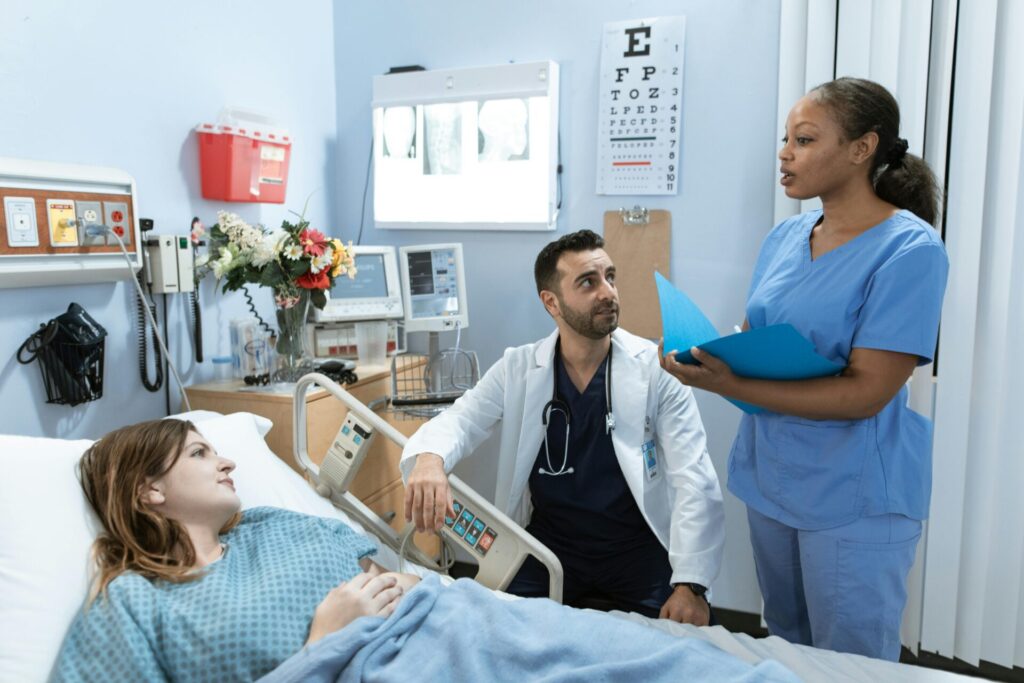
The NCLEX-RN (National Council Licensure Examination for Registered Nurses) stands out as a pivotal assessment for aspiring nurses, encompassing distinctive features that set it apart in the realm of nursing licensure exams. 1. Adaptive Testing Technology: The NCLEX-RN utilizes adaptive testing, a sophisticated technology that tailors the exam to the individual test-taker’s abilities. As candidates progress through the test, the adaptive nature adjusts the difficulty level of questions based on their previous responses, ensuring a more personalized evaluation. 2. Client-Centered Approach: Unlike traditional exams, the NCLEX-RN focuses on a client-centered approach. Questions are designed to assess the nurse’s ability to prioritize and manage client care, emphasizing critical thinking skills and decision-making in real-world healthcare scenarios. You can also read:The Importance of the NCLEX-RN Exam in European Countries: A Comprehensive Overview 3. Multimedia-rich Format: The exam incorporates multimedia elements, such as charts, graphs, and audio clips, reflecting the diverse nature of healthcare environments. This feature ensures that candidates are tested on their ability to interpret and respond to a wide range of information formats. 4. Integrated Nursing Process: The NCLEX-RN is structured around the nursing process—assessment, diagnosis, planning, implementation, and evaluation. This holistic approach assesses a nurse’s competence in applying these fundamental steps to ensure comprehensive and effective patient care. 5. Item Types Diversity: The exam includes various question types, such as multiple-choice, multiple-response, and fill-in-the-blank. This diverse format challenges candidates to demonstrate proficiency in different ways, enhancing the assessment’s thoroughness and accuracy. 6. Global Application: The NCLEX-RN is recognized not only in the United States but also in several other countries, making it a globally accepted standard for nursing licensure. This feature facilitates the mobility of nursing professionals, allowing them to practice in diverse healthcare settings worldwide. 7. Computerized Adaptive Testing (CAT): The computerized adaptive testing system adjusts the difficulty of questions in real-time based on the candidate’s performance. This dynamic approach ensures a more precise evaluation of a nurse’s knowledge and competency, enhancing the overall reliability of the examination. 8. Emphasis on Safe and Effective Care Environment: A significant portion of the NCLEX-RN focuses on the safe and effective care environment, assessing a nurse’s ability to create and maintain a safe and therapeutic healthcare environment for clients. This reflects the exam’s commitment to ensuring the highest standards of patient care. In conclusion, the NCLEX-RN exam is distinguished by its adaptive technology, client-centered approach, multimedia-rich format, integration of the nursing process, diverse item types, global applicability, and emphasis on safe and effective care. These exclusive features collectively contribute to the exam’s reputation as a comprehensive and reliable assessment for nursing licensure. Want to be a part of the Best NCLEX-RN Coaching Centre in Kerala? Join now: https://bghud.com/all-courses/
Various Rewarding Opportunities in Germany for Engineering Students, Nurses and Other Professionals

Germany offers exclusive opportunities for nurses, engineering students, and various professionals, making it an enticing destination for those seeking career advancement and cultural enrichment. 1. Nursing Opportunities: Germany faces a shortage of healthcare professionals, creating a high demand for qualified nurses. Through programs like the Recognition Act, foreign nurses can have their qualifications recognized, paving the way for employment in German healthcare institutions. With a robust healthcare system and a focus on patient care, nurses find fulfilling career prospects in Germany. 2. Engineering Students: Germany is renowned for its engineering excellence, and international students in engineering fields are welcomed for their diverse perspectives. Many German universities offer programs in English, making it accessible for students worldwide. Additionally, the country’s strong ties with industry provide students with opportunities for internships and collaboration, enhancing their practical skills and employability. 3. IT Professionals: Germany has a thriving IT sector, and skilled professionals are in high demand. Companies are often on the lookout for individuals with expertise in areas such as software development, data science, and cybersecurity. Networking events, job fairs, and collaboration with technology hubs provide avenues for IT professionals to connect with potential employers and stay updated on industry trends. You can also read: The Salient Features of Exams on German Language 4. Renewable Energy Sector: As a global leader in renewable energy, Germany offers a fertile ground for professionals in sustainable practices and engineering. The Energiewende initiative has propelled the country towards clean energy, creating opportunities for experts in solar, wind, and other green technologies to contribute to the transition. 5. Language Opportunities for Professionals: While German is not always mandatory, learning the language can significantly enhance professional opportunities. Many employers appreciate candidates who can communicate in German, especially in client-facing roles. Language schools and online platforms offer tailored courses for professionals aiming to improve their German language skills. 6. Research and Innovation: Germany boasts a robust research environment with numerous funding opportunities for scholars and scientists. Universities and research institutions collaborate closely with industries, providing a dynamic landscape for professionals keen on pushing the boundaries of knowledge. Initiatives like the Excellence Strategy underscore the country’s commitment to fostering cutting-edge research. 7. Cultural Integration: Germany values diversity, and efforts are made to integrate professionals from different cultural backgrounds. Support services, cultural exchange programs, and community events facilitate the integration of expatriates, creating a welcoming environment for professionals from various fields. In conclusion, Germany’s exclusive opportunities for nurses, engineering students, and other professionals make it an appealing destination for those seeking career growth, academic excellence, and a rich cultural experience. The diverse range of industries, coupled with the country’s commitment to innovation and inclusivity, positions Germany as a prime destination for professionals aspiring to thrive in their respective fields. Want to be a part of the Best German Language Institutes in Kerala? Join now: https://bghud.com/all-courses/
The Salient Features of Exams on German Language
Learning German at different proficiency levels, from A1 to B2, offers a progressive journey that opens doors to language mastery. Let’s delve into the salient features of each level: A1 Level: Beginner At the A1 level, learners lay the foundation for German proficiency. Key features include: 1. Basic Vocabulary: A1 focuses on fundamental German vocabulary for daily life, introducing learners to common words and phrases. 2. Simple Sentence Structures: Learners grasp basic sentence structures, allowing them to form simple sentences and engage in basic conversations. 3. Everyday Communication: Emphasis is placed on practical communication skills, enabling learners to navigate essential scenarios like greetings, introductions, and basic interactions. A2 Level: Elementary As learners progress to A2, they encounter more complexity and depth in the language: 1. Expanded Vocabulary: A2 builds on A1 by introducing a broader range of vocabulary, incorporating terms for various daily activities and situations. 2. Grammar Advancement: A2 delves deeper into German grammar, covering more tenses, prepositions, and conjunctions to enhance sentence complexity. 3. Survival Skills: Learners develop the ability to handle routine tasks independently, from shopping to making travel arrangements. B1 Level: Intermediate B1 marks a significant step towards fluency, bringing about more nuanced language skills: 1. Conversational Proficiency: Learners at B1 engage in more extended conversations, expressing opinions, and discussing familiar topics with increased confidence. 2. Cultural Understanding: The curriculum integrates cultural aspects, providing insights into German customs, traditions, and societal norms. 3. Increased Independence: B1 equips learners to function independently in a German-speaking environment, whether for travel or basic professional interactions. You can also read: WHY MIGRATING TO GERMANY IS A PROMISING OPTION? B2 Level: Upper Intermediate At the B2 level, learners approach a higher degree of fluency and sophistication: 1. Complex Language Use: B2 emphasises more complex sentence structures, enabling learners to articulate ideas fluently and precisely. 2. Cultural Fluency: Learners gain a deeper understanding of German culture, literature, and media, enhancing their ability to comprehend and engage with advanced content. 3. Professional Competence: B2 equips learners with the language skills needed for professional contexts, such as meetings, presentations, and written communication. In conclusion, progressing through the levels of A1 to B2 in learning German is a rewarding journey. Each level brings distinct features, gradually moulding learners into confident and proficient German speakers, ready to navigate diverse linguistic and cultural landscapes. Want to be a part of the Best German Language Institutes in Kerala? Join now: https://bghud.com/all-courses/
A DETAILED DESCRIPTION ON IELTS EXAM

The International English Language Testing System (IELTS) serves as a gateway for individuals looking to prove their English language proficiency. Designed to meet diverse needs, IELTS offers two modules: Academic and General Training. In this comprehensive guide, we’ll explore the distinctions between these modules, helping test-takers make informed choices based on their specific goals. Purpose and Target Audience: Academic IELTS: Designed for aspiring university students and academic professionals, Academic IELTS evaluates one’s ability to understand and use complex academic language. Test-takers can expect tasks that mirror the challenges of higher education, including analyzing academic texts, writing essays, and participating in academic discussions. General Training IELTS: Tailored for individuals migrating to English-speaking countries or engaging in work-related training programs, General Training IELTS focuses on practical language skills needed in social and workplace contexts. Tasks include reading everyday texts, writing letters or reports, and engaging in conversations relevant to common social and workplace situations. You can also read: WHY CORRECT PRONUNCIATION OF ENGLISH WORDS IS VITAL TO SCORE WELL IN IELTS, OET, PTE & TOEFL? Reading and Writing Tasks: Academic IELTS: Academic reading involves interpreting passages from academic texts, while writing tasks include describing visual information, explaining diagrams, and responding to essay prompts that require a deeper understanding of complex subjects. General Training IELTS: The reading component features everyday texts like advertisements and newspapers, and writing tasks include letter writing (formal, semi-formal, or informal) and essay writing that addresses practical scenarios. Listening and Speaking Tasks: Academic IELTS: Listening tasks include comprehending academic lectures or discussions, while speaking involves discussing familiar topics, giving presentations, and engaging in discussions related to academic content. General Training IELTS: Listening involves understanding social and workplace conversations, and speaking includes discussions on familiar topics, presenting on a theme, and conversations on more abstract topics reflecting personal experiences and opinions. Scoring and Band Scale: Regardless of the module chosen, both Academic and General Training IELTS share the same scoring criteria and band scale. Test-takers receive individual scores for Listening, Reading, Writing, and Speaking, with the overall band score representing the average of these four scores. Choosing the Right Module: When deciding between Academic and General Training IELTS, it’s essential to align your choice with your specific goals. If higher education is your aim, Academic IELTS is the way to go. On the other hand, if migration or work-related endeavors are on the horizon, General Training IELTS is your ticket to success. Conclusion: In the diverse landscape of IELTS, understanding the nuances between Academic and General Training modules is key to achieving your desired band score. By tailoring your preparation to the specific demands of each module, you’ll not only navigate the test successfully but also open doors to exciting opportunities, whether in academia or the professional realm. Choose wisely, prepare diligently, and embark on your IELTS journey with confidence. Want to be a part of the Best IELTS Coaching Centre in Kerala? Join now: https://bghud.com/all-courses/
How to excel in OET Writing Module at the first attempt?

Mastering the Writing Module of Occupational English Test is the manifestation of a few skills to write a formal referral letter in clinical setting. As it is a language proficiency exam specifically designed for healthcare professionals, an OET candidate must be aware of the assessment criteria of the exam. The Writing module of the OET assesses candidates’ ability to communicate effectively in writing within a healthcare context keeping in mind the Purpose and the Content. Its conciseness, clarity, genre and style, organisation and layout, and layout are assessed. The Writing Module has only one task. The goal of the Writing section is to mimic a real-world situation and gauge a candidate’s ability to respond to typical workplace scenarios. In most cases, candidates are tasked with composing a referral letter. In addition to the communication skills in English, a candidate is expected to organize only the required information in the letter. By taking the OET Test, you will be learning the kinds of vocabulary and phrases you will need every day at work in your new country. Not only will you prove you have the right level of English – you’ll be ready to perform in the global healthcare industry. A few key aspects to consider when preparing for the OET Writing module are appended below: 1. In the OET Writing module candidates are required to produce a piece of writing that is relevant to the healthcare profession and meets the needs of the intended recipient. 2. It is crucial for candidates to understand the purpose and audience of each task. For instance, in the letter task, candidates may be asked to write a letter of introduction, explanation, or advice to a patient, colleague, or supervisor. In the referral or discharge letter task, candidates are expected to summarize a patient’s condition and treatment plan concisely and accurately. 3. Organizing the content logically is essential for clarity and coherence. Candidates should follow a clear structure for their writing, including an introduction, body paragraphs, and a conclusion. Each paragraph should focus on a single main idea and be well-developed with relevant details. 4. The language used should be professional, clear, and appropriate for the healthcare context. Candidates should demonstrate a wide range of medical vocabulary and terminology related to their specific profession. Additionally, they should pay attention to grammar, punctuation, and spelling to ensure accuracy and clarity. You can also read: How to Prepare for the OET Exam: A Comprehensive Guide 5. Time management is crucial during the exam. Candidates should allocate enough time for planning, writing, and reviewing their work. It is essential to prioritize tasks based on their importance and allocate time accordingly to complete both tasks within the given timeframe. 6. Like any other skill, writing for the OET requires practice. Candidates should familiarize themselves with the format of the exam and practice writing within a healthcare context. Taking practice tests and seeking feedback from tutors can help identify areas for improvement and enhance overall performance. In conclusion, mastering the OET Writing module requires a combination of understanding task requirements, organizing content effectively, using appropriate language, managing time efficiently, and consistent practice. By focusing on these key aspects, candidates can increase their chances of success in the OET exam and advance their healthcare career. Want to be a part of the Best OET Coaching Centre in Kerala? Join now: https://bghud.com/all-courses/
WHY MIGRATING TO GERMANY IS A PROMISING OPTION?

Germany is not another nation. It is the hub of manufacturing of world-renowned cars, pharmaceuticals, machinery, tourism and anything of premium quality. To be able to study and settle in Germany is much better than going to most other nations. IELTS, OET or PTE are not required to apply to study or to work there. All they need is to pass A1, A2 & B1 pass in German language. Germany offers several advantages, including high-quality education, a strong economy, cultural diversity, and a well-developed healthcare system. German universities are renowned for academic excellence, and many programs are offered in English, attracting international students. However, proficiency in German is crucial to ensure that individuals possess the necessary German language skills to succeed academically or professionally. Successful completion of German language tests enhances opportunities for education, employment, and integration in German-speaking environments. The country’s robust economy provides ample job opportunities, and its central location in Europe allows for easy travel. Additionally, Germany’s commitment to innovation, a high standard of living, and a rich cultural heritage make it an appealing destination for those seeking a well-rounded and dynamic experience. Why should you join B-GHUD Academy? – Lessons on life skills and German culture – Use of multimedia techniques for faster learning – FAQ sessions with our alumni members – Free placement assistance Being good at German not just makes one capable to survive in Germany alone, but other countries such as Belgium, Switzerland and Austria. When globalisation is a reality and the movement of people from one continent to another has become the new norm, it would be wise to learn German and migrate to Germany; a rich and progressive nation. Want to be a part of the Best German Language Institutes in Kerala? Join now: https://bghud.com/all-courses/
How to Prepare for the OET Exam: A Comprehensive Guide

The Occupational English Test (OET) is an English language proficiency exam specifically designed for healthcare professionals, including nurses. The test assesses language skills in the context of healthcare settings, focusing on four main language skills: Listening, Reading, Writing, and Speaking. The Listening section consists of 3 parts. Part A involves listening to recorded healthcare conversations and note-taking, Part B involves 6 extracts with different health care settings. Part C involves two extracts. It typically involves lecture, presentation or interview on a healthcare-related topic and answering multiple-choice questions. The Reading section comprises three parts, each with various question types such as fill in the blanks and multiple-choice. Test-takers are required to read and comprehend texts relevant to healthcare professions, including articles, reports, and patient information leaflets. The Writing section involves writing a letter, usually based on a patient case scenario or a professional context. Test-takers are assessed on their ability to effectively communicate information, demonstrate appropriate tone and register, and organize ideas coherently within the given word limit. You can also read: Unlocking Nursing Excellence: Empowering Nurses with Proficient English Skills at B-GHUD Academy The Speaking section is conducted in the form of a role-play simulation, where candidates interact with a trained interlocutor. Test-takers are evaluated on their ability to communicate effectively in various healthcare contexts, such as patient consultations, discussions with colleagues, or providing instructions to patients or caregivers. Overall, the OET exam for nurses is designed to assess language proficiency in English in real-life healthcare situations, ensuring that candidates possess the necessary communication skills to work effectively and safely in English-speaking healthcare environment. Looking for the Best IELTS, PTE, OET, TOEFL Coaching Centre in Kerala, India? Join now: https://bghud.com/all-courses/